Deep Dive into Yin Yoga to Enhance Your Aerial Practice
Motion Virtues | JUL 25, 2024
yinyoga
yin
restorative
yogaprops
yogacoach
flexibility
consciousness
relaxation
meditation
bolsters
yogablocks
yoga
stretching
Hello Aerial Fam 🎪
In this post we will explore how Yin Yoga can benefit our practice in the Air
Aerial can be a highly intense creative sport, requiring great strength and flexibility to oscillate between poses.
The intensity can be exhilarating and quite the overstimulation for our nervous system.
We recommended having a practice that offers a sense of
"Yin" to the sometimes "Yang" of Aerial.
Let me introduce you to my favorite ally to the parasympathetic nervous system : Yin yoga. It's like giving your body a warm hug with its relaxed, deep stretching and zen-like vibes. Yin yoga targets those stubborn connective tissues, helping you become more flexible, improving joint mobility, and getting your mental focus sharper than ever—which, let’s be honest, are all total game-changers when you're mastering those dynamic aerial moves.
It's the perfect way to recover and avoid injuries, giving you the patience to be fully present with yourself while on any apparatus.
Understanding Yin Yoga
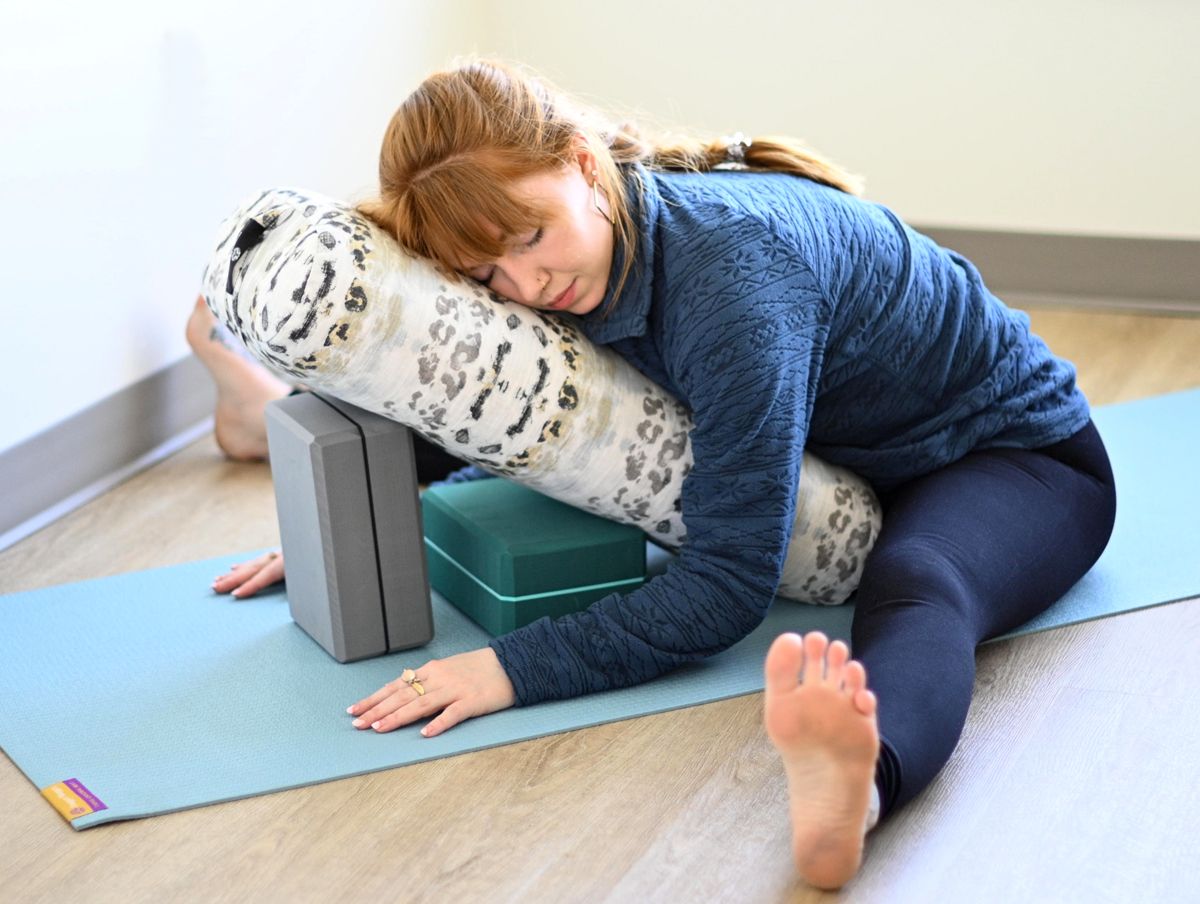
Yin yoga is passive - meaning we orient ourselves into a position supported by props and completely let go from there. Our focus becomes the breath, choosing a pattern of breathing that can turn off the mind and switch us into rest and digest - This is where ultimate healing occurs.
Poses are typically held 3-5 minutes or longer. Unlike dynamic yoga styles, Yin targets the deeper connective tissues (ligaments, tendons, and fascia) and is practiced 'Cold', skipping a lengthy warm-up. Below you will find some of the most common essential props for a well rounded Yin Practice.
Props in Yin Yoga
Props are essential in Yin yoga to support the body and facilitate deeper stretches:
Yoga Blocks: Use blocks to elevate the hips in seated poses or support the forearms in forward folds, allowing for a more relaxed stretch without strain. (Pictured above:Purple Foam Blocks )
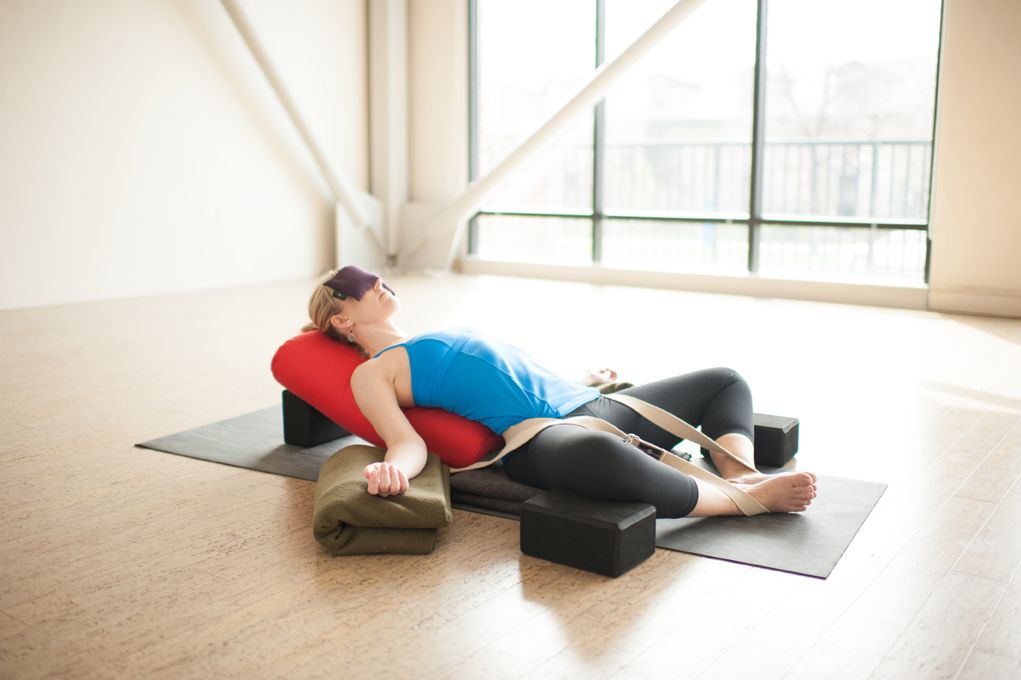
Bolsters: Place bolsters under the spine in reclining poses like Supported Fish or Supported Twist to encourage relaxation and openness in the chest and shoulders. (Pictured above Leopard Yoga Bolster)
Blankets: Folded blankets provide cushioning under knees or support under the head and neck, enhancing comfort during longer holds. (Pictured above Purple Yoga Blanket)
Straps: Helps extend your reach, improve flexibility, maintain proper alignment and can assist with making some stretches hands-free. (Pictured above: White Yoga Strap )
Stretching the Body When It's Cold
Stretching the body in a cold state can be beneficial because it helps bypass muscle stretch to target deep connective tissue and joints. We recommend Yin Yoga under controlled 'cold' conditions:
Gentle Warm-Up: Before deep stretches, engage in a gentle warm-up to increase blood flow and prepare muscles and joints. Movements like cat-cow, gentle twists, and neck rolls help to loosen without creating too much heat.
Mindful Approach: Listen to your body's cues and avoid forcing stretches beyond your current range of motion, especially when muscles are cold and less pliable.
Meditation Techniques in Yin Yoga
Central to Yin yoga is the integration of meditation techniques to cultivate mindfulness and awareness:
Breath Awareness: Begin by focusing on the natural rhythm of your breath. Notice the gentle rise and fall of your belly and chest. Let your breath guide you deeper into each pose, creating a sense of inner stillness.
Body Scan: Progressively relax each part of your body from head to toe. This practice enhances body awareness and helps release tension stored in muscles.
Visualizations: Use imagery to deepen your experience. Visualize your breath flowing through your body, bringing warmth and relaxation to each area. You can also use this time of stillness to tune into an experience you are wanting to call in to your life. It's possible, that when you quiet the mind, you could receive the answers to yesterdays puzzle or tips to a particular aerial move you've been trying to achieve.
Breathing Practices (Pranayama)
Yin yoga encourages gentle and mindful breathing practices to enhance relaxation and deepen stretches:
Diaphragmatic Breathing: Also known as belly breathing, this technique promotes relaxation by engaging the diaphragm fully. Inhale deeply through the nose, allowing your belly to rise, then exhale slowly and completely, drawing your navel toward your spine.
Extended Exhalation: Lengthen your exhales to stimulate the parasympathetic nervous system, promoting a state of calm. Try inhaling for a count of 4 and exhaling for a count of 6 or 8.
Box Breath: Inhale through nose for a count of 4 seconds, retain breath in for 4, exhale through nose or mouth for 4, retain breath out for 4 seconds. Repeat and maybe close with full belly breath in followed by an audible exhale.
Elevating to Higher Consciousness
Yin yoga invites practitioners to connect with higher consciousness through introspection and surrender:
Mindfulness: Cultivate present-moment awareness by observing thoughts without judgment. Let go of distractions and allow yourself to fully experience each sensation and emotion that arises during practice.
Intention Setting: Set an intention or dedication at the beginning of your practice. Whether it's gratitude, healing, or inner peace, infuse your practice with intention to deepen its meaning and focus.
Letting Go and Surrender
Yin yoga encourages the practice of surrendering to the present moment and releasing physical and emotional tension:
Emotional Release: Poses held in Yin yoga may bring up stored emotions feeling or emotions. If this happens for you, be open to the wave of feelings to pass through you - this can lighten you energetically and expand your receptivity to your own intuition.
Acceptance: Find clarity in stillness by seeing the full picture of your life experience . Embrace the discomfort that arises in deep stretches as an opportunity for growth and transformation. Surrender to the natural flow of your breath and the wisdom of your body.
Conclusion
Embark on your Yin yoga journey with a sense of openness and curiosity, welcoming its unique ability to cultivate inner peace and flexibility. Dive deep into stillness, breathe, and surrender, and watch as your practice blossoms into a sanctuary of healing and growth. Embrace the calm as you find peace in each breath as you journey through the gentle experience of Yin yoga.
Feel free to reach out with questions regarding this post!